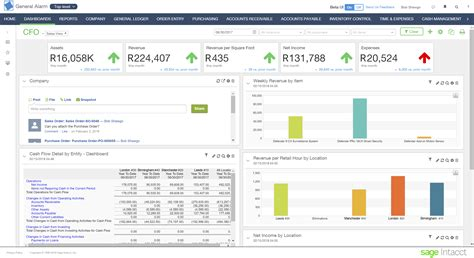
Welcome to our article on Sage Cloud Services, where we will discuss how cloud technology can streamline your business operations. In today’s fast-paced world, harnessing the power of the cloud can provide your business with increased flexibility, efficiency, and security. By utilizing Sage Cloud Services, you can access your company’s data and applications anytime, anywhere, allowing for greater collaboration among employees and improved productivity. Say goodbye to the days of cumbersome on-premises servers and welcome the convenience of cloud technology with Sage Cloud Services.
Sage Cloud Services is a dynamic and innovative platform that provides businesses with a wide range of cloud-based solutions to streamline operations and improve efficiency. With Sage Cloud Services, businesses can access their data and applications from anywhere, at any time, with just an internet connection. This flexibility allows for remote work, collaboration, and seamless communication between teams, regardless of their location.
One of the key features of Sage Cloud Services is its scalability. Whether you are a small startup or a large enterprise, Sage Cloud Services can be tailored to meet your specific needs and can grow with your business. This means you can easily add or remove users, storage, or features as your business evolves, without the need for expensive hardware upgrades or installations.
Security is another priority for Sage Cloud Services. With robust encryption, advanced firewalls, and regular security updates, businesses can rest assured that their data is safe and protected from cyber threats. This level of security also helps businesses comply with industry regulations and standards, giving peace of mind to both customers and stakeholders.
In addition to security, Sage Cloud Services also offers a high level of reliability and uptime. With redundant servers, data backups, and 24/7 monitoring, businesses can trust that their data and applications will always be available when they need them. This reliability minimizes downtime and ensures that business operations can continue uninterrupted, even in the event of a server failure or natural disaster.
Collaboration and communication are also key components of Sage Cloud Services. With features such as real-time document sharing, video conferencing, and instant messaging, teams can work together more efficiently and effectively, no matter where they are located. This level of connectivity helps to foster creativity, innovation, and teamwork, ultimately leading to better business outcomes.
Finally, Sage Cloud Services offers a cost-effective solution for businesses of all sizes. By eliminating the need for expensive hardware, maintenance, and IT staff, businesses can save money and resources that can be reinvested into other areas of the business. With flexible pricing plans and options for pay-as-you-go or monthly subscriptions, businesses can choose a plan that fits their budget and their needs.
Sage Cloud Services offer a wide range of benefits for businesses of all sizes. From increased mobility and flexibility to enhanced security and cost savings, there are many reasons why more and more companies are opting to move their accounting and financial management to the cloud.
One of the major benefits of using Sage Cloud Services is the ability to access your financial data anytime, anywhere. With cloud-based accounting software, you can log in from any device with an internet connection and instantly view your company’s financial information. Whether you are meeting with a client, traveling for business, or working from home, you can easily access real-time data and make informed decisions on the go.
Another benefit of Sage Cloud Services is the scalability they offer. As your business grows, your accounting needs will also evolve. With cloud-based software, you can easily add or remove users, upgrade or downgrade your subscription, and customize your accounting solution to fit your changing requirements. This flexibility allows you to adapt to market changes and streamline your financial processes without the hassle of switching to a new system.
Furthermore, Sage Cloud Services provide enhanced security measures to protect your sensitive financial data. Cloud-based accounting software is equipped with robust encryption protocols, regular data backups, and advanced user authentication methods to ensure that your information is safe from cyber threats. With off-site data storage and disaster recovery capabilities, you can have peace of mind knowing that your financial data is secure and accessible at all times.
Additionally, using Sage Cloud Services can lead to significant cost savings for your business. Traditional accounting software often requires expensive upfront investments in hardware, software licenses, and IT support. With cloud-based accounting solutions, you can avoid these capital expenditures and instead pay a predictable monthly subscription fee based on your usage. This pay-as-you-go model allows you to scale your accounting costs with your business growth and avoid costly upgrades or maintenance fees.
In conclusion, the benefits of using Sage Cloud Services are clear. From increased mobility and flexibility to enhanced security and cost savings, cloud-based accounting software offers a modern and efficient solution for managing your company’s financial information. By leveraging the power of the cloud, businesses can access real-time data, scale their accounting solution, protect their information, and reduce their overall costs. If you are looking to streamline your financial processes and stay ahead of the competition, consider migrating to the cloud with Sage Cloud Services.
Are you considering migrating your business to Sage Cloud Services? Whether you are a small business or a large enterprise, moving to the cloud can offer a host of benefits, including increased flexibility, scalability, and cost savings. Here are some steps to guide you through the migration process:
1. Evaluate Your Current Infrastructure: Before making the move to the cloud, it’s essential to assess your current infrastructure and determine what needs to be migrated. Identify all the applications, data, and services that will need to be transferred to Sage Cloud Services. This will help you create a comprehensive migration plan and prevent any disruptions to your business operations.
2. Choose the Right Sage Cloud Services Plan: Sage offers several cloud services plans tailored to different business needs. Consider factors like the size of your business, required storage capacity, and budget when selecting a plan. Take the time to research and compare the features and pricing of each plan to ensure you choose the one that best suits your requirements.
3. Plan Your Migration Strategy: Once you have evaluated your infrastructure and selected a Sage Cloud Services plan, it’s time to create a migration strategy. Start by identifying key stakeholders and forming a migration team to oversee the process. Next, establish a timeline for migration, taking into account factors like data sensitivity and business continuity. It’s essential to communicate the migration plan to all employees to ensure a smooth transition to the cloud.
4. Prepare Your Data for Migration: Before migrating to Sage Cloud Services, it’s crucial to prepare your data for transfer. This involves cleaning up your data, removing any duplicates or outdated information, and organizing it in a structured format. Additionally, consider implementing data encryption and backup procedures to protect your data during the migration process.
5. Execute the Migration Process: With your data prepared and migration plan in place, it’s time to execute the migration process. Depending on the size of your business and the amount of data to be transferred, this process can take anywhere from a few days to several weeks. Ensure that your migration team is following the plan closely and monitor the progress to address any issues that may arise.
6. Test and Validate the Migration: Once the data has been migrated to Sage Cloud Services, it’s crucial to test and validate the migration to ensure that everything has been transferred correctly. Conduct thorough testing of all applications and services to verify that they are functioning as expected in the cloud environment. It’s also essential to involve key stakeholders in the testing process to gather feedback and address any concerns.
7. Train Your Employees: Finally, don’t forget to provide training to your employees on how to use Sage Cloud Services effectively. Offer workshops, tutorials, and support resources to help them adapt to the new cloud environment. Encourage open communication and feedback to ensure that everyone is comfortable with the transition and able to make the most of the new cloud services.
By following these steps, you can successfully migrate your business to Sage Cloud Services and enjoy the numerous benefits that cloud computing has to offer. Remember that migration to the cloud is a continuous process, so be prepared to adapt and evolve as your business grows and technology advances.
When it comes to running a business smoothly, integrating various software systems is key. Sage Cloud Services offer a range of functionalities that can be seamlessly integrated with other business software to streamline processes and improve overall efficiency.
One of the main benefits of integrating Sage Cloud Services with other business software is the ability to centralize data and information. By connecting Sage Cloud with accounting software, CRM systems, or project management tools, businesses can ensure that all data is updated in real-time and easily accessible across different departments. This not only eliminates the need for manual data entry but also reduces the risk of errors and duplication.
Additionally, integrating Sage Cloud Services with other business software can help improve collaboration and communication within an organization. For example, by integrating Sage Cloud with collaboration tools such as Slack or Microsoft Teams, teams can share information, collaborate on projects, and track progress in real-time. This allows for better communication, faster decision-making, and increased productivity.
Moreover, integrating Sage Cloud Services with other business software can also enhance reporting and analytics capabilities. Businesses can combine data from different systems to create comprehensive reports and dashboards that provide valuable insights into performance, trends, and areas for improvement. This helps businesses make more informed decisions and drive growth.
Furthermore, integrating Sage Cloud Services with e-commerce platforms can streamline order processing, inventory management, and customer relationship management. By connecting Sage Cloud with platforms like Shopify, WooCommerce, or Magento, businesses can automate processes, track orders, manage inventory levels, and provide personalized customer experiences. This not only improves efficiency but also enhances customer satisfaction and loyalty.
In conclusion, integrating Sage Cloud Services with other business software is essential for maximizing the potential of both systems and ensuring a seamless workflow. By centralizing data, improving collaboration, enhancing reporting capabilities, and streamlining e-commerce processes, businesses can optimize operations, drive growth, and stay ahead of the competition.
When it comes to choosing a cloud service plan for your business, it’s important to consider your specific needs and budget. Sage offers different cloud service plans to cater to various businesses, from small startups to large enterprises. Here are five key factors to consider when choosing the right Sage cloud service plan for your business:
1. Size of Your Business: The size of your business plays a crucial role in determining the right Sage cloud service plan. If you are a small business with a limited budget and a few employees, you may opt for a basic plan with essential features. On the other hand, if you are a large enterprise with multiple branches and a significant number of employees, you may require a more comprehensive plan with advanced features and capabilities.
2. Budget Constraints: Budget is another important factor to consider when choosing a Sage cloud service plan. It’s essential to assess your budget and see how much you can afford to invest in a cloud service plan. Sage offers different pricing options to suit various budgets, so make sure to choose a plan that provides the right balance between features and cost.
3. Specific Needs and Requirements: It’s crucial to identify your specific needs and requirements before selecting a Sage cloud service plan. Determine what features and capabilities are essential for your business operations, such as accounting and finance tools, inventory management, or customer relationship management. Make sure the plan you choose aligns with your business goals and objectives.
4. Scalability and Flexibility: As your business grows and evolves, you may need to scale up your operations and add more users to your cloud service plan. It’s essential to choose a Sage cloud service plan that offers scalability and flexibility, allowing you to upgrade or downgrade your plan as needed. Make sure the plan you select can accommodate your business expansion without any limitations.
5. Customer Support and Training: One of the most crucial factors to consider when choosing a Sage cloud service plan is the availability of customer support and training. Make sure the plan you select includes reliable customer support services, such as 24/7 helpdesk assistance, live chat support, or dedicated account managers. Additionally, check if the plan offers training resources, such as online tutorials, webinars, or on-site training sessions, to help you and your team get acquainted with the cloud service platform.
Overall, choosing the right Sage cloud service plan for your business requires careful consideration of your size, budget, needs, scalability, and customer support. By evaluating these factors and selecting a plan that aligns with your business requirements, you can ensure a seamless transition to the cloud and maximize the benefits of Sage cloud services for your business.
Hey there! Are you wondering if Sage is considered an ERP system? Well, you’ve come to the right place. Sage is a popular software solution used by many businesses, but is it really classified as an ERP system? Let’s delve into this topic further to get a better understanding of what Sage actually offers.
Sage is an enterprise resource planning (ERP) software that helps businesses manage their core operations, including accounting, procurement, project management, and manufacturing. It is designed to streamline processes and improve productivity by integrating different departments within an organization. With Sage, companies can access real-time data, track finances, manage inventory, and analyze performance to make informed decisions.
Sage offers a range of products tailored to different industries and business sizes, from small businesses to large enterprises. These products include Sage 50cloud, Sage 100cloud, Sage 300cloud, and Sage X3, each with its own set of features and functionalities. Whether you are a startup looking to automate your accounting processes or a multinational corporation in need of a comprehensive ERP solution, Sage has a software solution that can meet your needs.
One of the key benefits of using Sage software is its scalability and flexibility. As your business grows and evolves, you can easily upgrade to a more advanced version of Sage or add additional modules to enhance its capabilities. This scalability ensures that your ERP system can adapt to your changing business needs without requiring a complete overhaul of your software infrastructure.
In addition to its core functionalities, Sage also offers an ecosystem of third-party integrations and add-ons that extend the capabilities of its software. These integrations allow you to connect Sage with other business applications, such as CRM systems, e-commerce platforms, and payroll software, to create a seamless workflow and improve efficiency across your organization.
Another standout feature of Sage software is its user-friendly interface and intuitive design. The software is easy to navigate, with customizable dashboards and reporting tools that enable you to visualize data and gain insights into your business performance. Whether you are an experienced ERP user or a novice looking to streamline your business processes, Sage provides a user-friendly experience that makes it easy to get up and running quickly.
Overall, Sage is a powerful tool that can help businesses streamline their operations, improve efficiency, and drive growth. With its range of products, scalability, third-party integrations, and user-friendly interface, Sage is a comprehensive ERP solution that can meet the needs of businesses of all sizes and industries.
Sage ERP offers a plethora of features that make it a comprehensive solution for businesses of all sizes. From financial management to supply chain management, Sage ERP covers all aspects of business operations. One of the key features of Sage ERP is its ability to centralize data from various departments within an organization. This helps in streamlining operations and ensuring that all departments are working towards a common goal.
Another significant feature of Sage ERP is its customizable dashboards. These dashboards provide real-time insights into key performance indicators, allowing managers to make informed decisions. This helps in improving overall efficiency and productivity within the organization. Additionally, Sage ERP offers a wide range of reporting and analytics tools that enable users to generate detailed reports and forecasts.
Sage ERP also offers robust inventory management capabilities. With features such as inventory tracking, demand forecasting, and order management, Sage ERP helps businesses optimize their supply chain and reduce costs. This ensures that businesses are able to meet customer demands while keeping inventory levels in check.
One of the standout features of Sage ERP is its integration capabilities. Sage ERP can easily integrate with other business applications such as CRM systems, e-commerce platforms, and third-party tools. This enables businesses to create a seamless workflow and ensures that data is shared across all systems in real-time.
Additionally, Sage ERP offers strong security features to protect sensitive business data. With features such as user access controls, data encryption, and audit trails, Sage ERP ensures that data is secure and compliant with industry regulations.
Overall, Sage ERP is a comprehensive solution that covers all aspects of business operations. With its customizable dashboards, robust inventory management capabilities, integration capabilities, and strong security features, Sage ERP is a powerful tool for businesses looking to streamline operations and drive growth.
Sage ERP offers robust integration capabilities that allow businesses to streamline their operations and improve efficiency. One of the key features of Sage ERP is its ability to integrate with other software applications, such as CRM systems, inventory management tools, and e-commerce platforms. This seamless integration allows businesses to centralize their data and processes, reducing the need for manual data entry and improving data accuracy.
Another important aspect of Sage ERP’s integration capabilities is its ability to connect with third-party vendors and suppliers. By integrating with external systems, businesses can automate their vendor management processes, track inventory levels in real-time, and optimize their supply chain operations. This level of integration helps businesses stay competitive in a dynamic marketplace and adapt quickly to changing customer demands.
Furthermore, Sage ERP’s integration capabilities extend to financial management systems, such as accounting software and payment processing tools. By integrating these systems with Sage ERP, businesses can streamline their financial reporting processes, improve cash flow management, and gain better visibility into their overall financial health. This level of integration ensures that businesses have access to accurate and up-to-date financial data, allowing them to make informed business decisions.
In addition to integrating with other software applications and systems, Sage ERP also offers integration with business intelligence tools and analytics platforms. This integration allows businesses to uncover valuable insights from their data, identify trends and patterns, and make data-driven decisions. By combining their ERP data with advanced analytics, businesses can optimize their operations, improve customer satisfaction, and drive growth.
Overall, the integration capabilities of Sage ERP play a crucial role in helping businesses streamline their operations, improve efficiency, and drive growth. By seamlessly connecting with other software applications, third-party vendors, financial management systems, and analytics platforms, Sage ERP empowers businesses to make better decisions, adapt to changes in the marketplace, and stay ahead of the competition.
When it comes to comparing Sage ERP with other ERP systems in the market, there are several key factors to consider. One of the main advantages of Sage ERP is its flexibility and scalability. Sage offers a range of ERP solutions that cater to businesses of all sizes, from small startups to large enterprises. This means that businesses can easily customize Sage ERP to meet their specific needs and grow with their business.
Another key advantage of Sage ERP is its user-friendly interface and ease of use. Many users find Sage ERP to be intuitive and easy to navigate, which can help minimize training costs and improve employee productivity. Additionally, Sage ERP offers a wide range of features and functionalities, including financial management, inventory management, CRM, and more, all in one integrated system.
One area where Sage ERP stands out is its strong focus on customer support and service. Sage offers a dedicated support team to help businesses implement and optimize their ERP system, as well as ongoing training and resources to help users get the most out of their software. This level of support can be crucial for businesses that may not have a dedicated IT department or technical expertise in-house.
On the other hand, some users may find that Sage ERP lacks some of the advanced features and customizations offered by other ERP systems in the market. While Sage ERP is highly customizable, it may not offer the same level of flexibility and depth of functionality as some of its competitors. Additionally, some users may find that the cost of Sage ERP is higher than other ERP systems, especially for businesses with more complex needs.
Overall, when comparing Sage ERP with other ERP systems, businesses should consider their specific needs, budget, and level of technical expertise. While Sage ERP offers a range of benefits such as flexibility, ease of use, and strong customer support, it may not be the best fit for every business. By carefully evaluating the features and capabilities of Sage ERP in comparison to other ERP systems, businesses can make an informed decision about which solution is right for them.
Sage ERP, or Enterprise Resource Planning, is a robust software solution that helps businesses streamline their operations, improve efficiency, and drive growth. There are numerous benefits to implementing Sage ERP within your organization. Below are five key advantages:
1. Improved efficiency: One of the primary benefits of implementing Sage ERP is the significant improvement in efficiency that it brings to your business. By automating tasks, reducing manual data entry, and centralizing information, Sage ERP streamlines processes and eliminates inefficiencies. This allows your employees to focus on more value-added tasks, ultimately increasing productivity and reducing costs.
2. Enhanced visibility: Another advantage of Sage ERP is the enhanced visibility it provides into your business operations. With real-time data and analytics at your fingertips, you can make informed decisions, identify trends, and address issues before they become major problems. This visibility allows you to optimize performance, improve customer satisfaction, and drive business growth.
3. Scalability: Sage ERP is highly scalable, meaning it can grow and adapt with your business. Whether you are a small startup or a large enterprise, Sage ERP can be customized to meet your specific needs and can accommodate changes in your business over time. This flexibility ensures that your software investment will continue to support your business as it evolves and expands.
4. Regulatory compliance: Staying compliant with regulations and standards is critical for businesses in many industries. Sage ERP can help you maintain compliance by providing tools for tracking and reporting on various regulatory requirements. With built-in controls and audit trails, you can ensure that your business operations meet legal and industry standards, reducing the risk of penalties or fines.
5. Improved customer service: Implementing Sage ERP can also lead to improved customer service and satisfaction. By centralizing customer data, order information, and communication history, your employees can quickly access the information they need to provide personalized and efficient service. This not only enhances the customer experience but also builds loyalty and increases retention rates.
In conclusion, implementing Sage ERP in your organization can provide a wide range of benefits, from improved efficiency and visibility to scalability and regulatory compliance. By leveraging this powerful software solution, you can streamline your operations, drive growth, and enhance customer service, ultimately gaining a competitive advantage in today’s fast-paced business environment.
Originally posted 2025-02-02 15:56:34.
Welcome to the world of ERP forecasting software, where revolutionary technology meets the needs of modern businesses. By implementing ERP forecasting software, you can unlock the full potential of your business operations and streamline your processes like never before. Say goodbye to manual forecasting methods and hello to a more efficient and accurate way of predicting future trends. With real-time data analysis and forecasting capabilities, this software empowers you to make informed decisions that drive your business forward. Let’s explore how ERP forecasting software can take your business to the next level.
ERP Forecasting Software is a crucial tool for businesses looking to make informed decisions based on future trends and patterns. This software utilizes historical data, industry trends, and advanced algorithms to predict future outcomes and assist businesses in planning their strategies accordingly.
One of the key features of ERP Forecasting Software is its ability to analyze large volumes of data quickly and accurately. By inputting historical sales data, market trends, and other relevant information, the software can generate forecasts for sales, inventory, and other key metrics. This enables businesses to anticipate demand, optimize inventory levels, and improve overall efficiency.
ERP Forecasting Software also offers real-time updates and alerts, allowing businesses to adjust their forecasts based on changing circumstances. For example, if a sudden increase in demand is detected, the software can notify the user to adjust production schedules or order additional inventory. This level of responsiveness is critical for businesses operating in fast-paced and constantly changing markets.
Additionally, ERP Forecasting Software often includes advanced analytics tools that allow businesses to dig deeper into their data and identify patterns and correlations that may not be immediately apparent. By uncovering these insights, businesses can make more informed decisions and fine-tune their forecasting models for greater accuracy.
Another key benefit of ERP Forecasting Software is its ability to integrate with other ERP systems, such as accounting, inventory management, and CRM software. This seamless integration allows businesses to streamline their operations and consolidate their data in one centralized platform, making it easier to access and analyze information for forecasting purposes.
In conclusion, ERP Forecasting Software is a powerful tool that enables businesses to predict future outcomes, optimize their operations, and make more informed decisions. By leveraging historical data, advanced algorithms, and real-time updates, businesses can stay ahead of the curve and proactively plan for the future.
ERP forecasting software can provide numerous advantages to businesses of all sizes. The system automates the process of predicting future trends, allowing companies to make informed decisions based on accurate data. Here are some key benefits of implementing ERP forecasting software:
1. Improved Accuracy: One of the main benefits of using ERP forecasting software is the increased accuracy of predictions. By analyzing historical data and trends, the system can generate more accurate forecasts, helping businesses make better decisions and plan more effectively. This can lead to improved profitability and competitiveness in the market.
2. Enhanced Efficiency: ERP forecasting software streamlines the forecasting process, saving time and resources for businesses. Instead of manually collecting and analyzing data, the system automates these tasks, allowing employees to focus on more strategic activities. This leads to increased efficiency and productivity within the organization.
3. Real-time Insights: With ERP forecasting software, businesses can access real-time insights into their operations and market trends. This allows them to make quick decisions based on up-to-date information, giving them a competitive edge in the market. Real-time insights also help businesses adapt to changing market conditions and customer demands more effectively.
4. Cost Savings: By accurately predicting future trends and demand, businesses can reduce excess inventory, minimize stockouts, and optimize their supply chain. This leads to cost savings and improved profitability for the organization. Additionally, ERP forecasting software helps businesses allocate resources more efficiently, reducing waste and overhead expenses.
5. Better Planning: ERP forecasting software enables businesses to create more accurate forecasts and develop comprehensive planning strategies. By analyzing historical data and market trends, organizations can anticipate future demand, optimize production schedules, and make informed decisions about resource allocation. This leads to better planning and more effective execution of business strategies.
6. Enhanced Decision-making: With ERP forecasting software, businesses can make data-driven decisions based on accurate forecasts and insights. This helps organizations avoid potential risks and capitalize on opportunities in the market. By having access to reliable data and forecasts, decision-makers can make strategic choices that drive business growth and success.
In conclusion, implementing ERP forecasting software can provide various benefits to businesses, including improved accuracy, enhanced efficiency, real-time insights, cost savings, better planning, and enhanced decision-making. By leveraging the power of data and analytics, organizations can gain a competitive edge in the market and achieve long-term success.
When choosing an ERP forecasting software for your business, there are several key features that you should look out for to ensure that you are getting the most out of your investment. Here are some of the top features to consider:
1. Accurate Forecasting Capabilities: One of the most important features to look for in ERP forecasting software is its ability to accurately predict future trends and outcomes. A good forecasting tool should use advanced algorithms and data analysis techniques to provide you with precise and reliable forecasts. Make sure to choose a software that can handle both short-term and long-term forecasting, as well as incorporate seasonality and historical data into its predictions.
2. Integration with Other Systems: Another crucial feature to consider is the software’s compatibility with your existing ERP system and other business applications. The forecasting tool should seamlessly integrate with your ERP software to ensure smooth data flow and consistency across all systems. Look for a solution that offers easy integration options, such as APIs or data connectors, to streamline the forecasting process and avoid data silos.
3. Customization and Flexibility: A successful ERP forecasting software should offer a high level of customization and flexibility to meet the specific needs of your business. Look for a tool that allows you to tailor the forecasting models, parameters, and metrics to align with your company’s unique requirements and industry standards. The software should also provide the flexibility to adjust forecasts on the fly, incorporate new data sources, and adapt to changing market conditions without requiring extensive reconfiguration.
Moreover, the ability to create custom reports and dashboards that display the most relevant forecasting information in a clear and concise manner is also essential. Ensure that the software offers a range of visualization options, such as charts, graphs, and heatmaps, to help you effectively communicate the forecasted data to stakeholders and decision-makers.
4. Scalability and Performance: As your business grows and evolves, your forecasting needs will also increase in complexity and volume. It is important to choose an ERP forecasting software that is scalable and can handle large data sets and high forecasting frequencies without compromising performance. Look for a solution that offers robust processing power, efficient algorithms, and cloud-based deployment options to ensure optimal performance and reliability, even during peak usage periods.
By considering these key features when selecting an ERP forecasting software, you can ensure that you are investing in a solution that will help you make informed decisions, optimize resources, minimize risks, and drive business growth.
ERP forecasting software plays a crucial role in aiding businesses and organizations in making informed decisions. This powerful tool utilizes historical data, statistical algorithms, and machine learning techniques to predict future trends and outcomes. By providing accurate forecasts and insights into potential scenarios, ERP forecasting software empowers decision-makers to make strategic choices that can drive success and growth.
One way ERP forecasting software helps in decision making is by providing real-time data analysis. This software can quickly process vast amounts of data from various sources, such as sales figures, inventory levels, and market trends. By analyzing this data in real-time, decision-makers can gain a comprehensive understanding of their business operations and the external factors influencing them. This enables them to make timely decisions that are based on current and accurate information.
Additionally, ERP forecasting software helps decision-makers by highlighting patterns and trends in the data. By identifying correlations and causal relationships across different variables, this software can uncover valuable insights that may not be apparent at first glance. For example, it can reveal seasonality trends in sales data or show the impact of marketing campaigns on customer behavior. Armed with this knowledge, decision-makers can make more informed and effective decisions that are backed by data-driven insights.
Furthermore, ERP forecasting software enables decision-makers to simulate different scenarios and assess the potential outcomes of their choices. By utilizing predictive modeling and simulation techniques, this software can generate forecasts for various scenarios, such as changes in pricing, staffing levels, or market conditions. Decision-makers can then evaluate the risks and benefits of each scenario and choose the course of action that offers the best potential outcomes for their organization.
Moreover, ERP forecasting software can help decision-makers by providing predictive analytics and recommendations. By leveraging advanced analytics and algorithms, this software can generate forecasts and recommendations for key performance indicators, such as sales growth, revenue projections, and inventory optimization. Decision-makers can use these insights to make data-driven decisions that align with their strategic goals and objectives.
In conclusion, ERP forecasting software is a powerful tool that aids decision-makers in making informed and strategic choices. By providing real-time data analysis, highlighting patterns and trends, enabling scenario simulation, and offering predictive analytics, this software equips decision-makers with the insights and information they need to drive success and growth in their organizations. With ERP forecasting software, decision-makers can make decisions confidently, knowing that they are backed by accurate data and intelligent insights.
Implementing ERP forecasting software can be a game changer for businesses looking to improve their forecasting accuracy and streamline their operations. However, successfully implementing this type of software requires careful planning and execution. Below are some best practices to ensure a smooth and successful implementation:
Before implementing ERP forecasting software, it is important to clearly define your objectives and goals. What are you hoping to achieve with this software? Are you looking to improve forecasting accuracy, streamline operations, or increase efficiency? By clearly defining your objectives, you can ensure that the software is implemented in a way that aligns with your business goals.
Choosing the right ERP forecasting software is crucial to the success of the implementation. Take the time to research and evaluate different software options to find one that meets your business needs. Consider factors such as scalability, ease of use, and integration capabilities when selecting a software provider.
Successful implementation of ERP forecasting software requires buy-in from key stakeholders within your organization. Involve department heads, managers, and end users in the decision-making process to ensure that the software meets their needs and addresses their pain points. By involving key stakeholders from the beginning, you can increase the chances of a successful implementation.
Training is essential for ensuring that employees are able to effectively use the ERP forecasting software. Provide comprehensive training to end users to familiarize them with the software and its features. Consider offering refresher courses or additional training sessions as needed to support ongoing use of the software.
Implementing ERP forecasting software can bring about significant changes to your organization’s processes and workflows. It is important to establish a change management plan to help employees navigate these changes effectively. This plan should outline how changes will be communicated, how employee concerns will be addressed, and what support will be provided throughout the implementation process.
One key aspect of a successful change management plan is clear communication. Keep employees informed about the implementation process, timelines, and how the software will impact their day-to-day work. Encourage open communication and feedback to address any concerns or issues that may arise during the implementation.
Additionally, provide ongoing support to employees as they adjust to using the new software. Offer training, resources, and guidance to help employees successfully transition to the new system. By establishing a comprehensive change management plan, you can help ensure a smooth and successful implementation of ERP forecasting software in your organization.
Originally posted 2025-02-02 18:30:40.
Hey there! If you’re wondering whether Sage Intacct can be classified as an ERP (Enterprise Resource Planning) system, you’re in the right place. Sage Intacct is a popular choice for businesses looking to streamline their processes and improve their financial management. Let’s delve into the features and functionalities of Sage Intacct to determine if it fits the bill as an ERP system.
When it comes to understanding Sage Intacct’s ERP capabilities, it’s important to first grasp the concept of ERP (Enterprise Resource Planning). ERP systems are software platforms that businesses use to manage and integrate key parts of their operations. These systems can help with various functions such as accounting, human resources, supply chain management, and more. Sage Intacct, in particular, is a cloud-based ERP system that is designed to streamline financial processes and improve overall business efficiency.
One of the key capabilities of Sage Intacct as an ERP system is its ability to automate financial processes. This includes tasks such as accounts payable and accounts receivable, general ledger management, and financial reporting. By automating these processes, businesses can reduce the risk of errors and free up valuable time for employees to focus on more strategic tasks.
Another important aspect of Sage Intacct’s ERP capabilities is its scalability. As businesses grow and their needs change, Sage Intacct can easily adapt to accommodate those changes. This scalability ensures that the system remains relevant and effective regardless of the size of the organization or the complexity of its operations.
Sage Intacct also offers real-time visibility into key financial metrics and performance indicators. This means that businesses can quickly access and analyze data to make informed decisions. Having this level of visibility can help organizations identify trends, spot potential issues, and take proactive steps to address them before they become major problems.
Furthermore, Sage Intacct’s ERP capabilities extend beyond financial management. The system also offers features for project accounting, multi-entity management, revenue recognition, and more. This comprehensive set of tools allows businesses to manage various aspects of their operations from a single platform, eliminating the need for disparate systems and reducing the risk of data silos.
Overall, Sage Intacct is a powerful ERP system that can help businesses streamline their financial processes, improve visibility into key metrics, and drive overall efficiency. By leveraging the capabilities of Sage Intacct, organizations can gain a competitive edge in today’s fast-paced business environment.
Sage Intacct is a cloud-based ERP system that offers a wide range of features and functionality to help businesses streamline their financial processes and improve overall efficiency. Some of the key features of Sage Intacct include:
1. Financial Management: Sage Intacct provides robust financial management capabilities, including general ledger, accounts payable, accounts receivable, cash management, and financial reporting. The system allows users to automate their financial processes, track expenses, generate financial statements, and gain real-time insights into their financial performance.
2. Project Accounting: One of the standout features of Sage Intacct is its project accounting functionality. This feature allows businesses to track project costs, revenue, and profitability in real-time. Users can easily create project budgets, allocate resources, monitor project progress, and analyze project performance. With Sage Intacct’s project accounting capabilities, businesses can effectively manage their projects, reduce costs, and improve project profitability.
3. Time and Expense Management: Sage Intacct offers time and expense management tools that make it easy for employees to track their time and expenses. Users can submit timesheets, expense reports, and approvals directly within the system. Managers can review and approve time and expense entries, ensuring accurate billing and compliance with company policies. This feature helps businesses streamline their time and expense tracking processes, improve accuracy, and reduce manual errors.
4. Budgeting and Forecasting: Sage Intacct includes powerful budgeting and forecasting tools that help businesses create and manage budgets, forecast financial performance, and track variances. Users can set budget targets, create what-if scenarios, and analyze actual vs. budgeted performance. By using Sage Intacct’s budgeting and forecasting capabilities, businesses can make informed financial decisions, plan for the future, and optimize their financial resources.
5. Purchasing and Vendor Management: Sage Intacct streamlines the purchasing process by automating purchase requisitions, approvals, and orders. The system allows users to create purchase orders, track vendor performance, and manage vendor relationships. With Sage Intacct’s purchasing and vendor management features, businesses can reduce procurement cycle times, improve purchasing efficiency, and maintain better control over their expenses.
6. Reporting and Analytics: Sage Intacct offers robust reporting and analytics tools that provide businesses with real-time visibility into their financial performance. Users can create custom reports, dashboards, and visualizations to track key metrics, monitor trends, and identify areas for improvement. With Sage Intacct’s reporting and analytics capabilities, businesses can make data-driven decisions, optimize their financial processes, and drive business growth.
Overall, Sage Intacct offers a comprehensive set of features and functionality that make it a powerful ERP system for businesses looking to streamline their financial processes, improve efficiency, and drive growth. By leveraging Sage Intacct’s capabilities, businesses can gain better control over their finances, make informed decisions, and achieve their strategic goals.
Implementing Sage Intacct as your ERP solution can bring a multitude of benefits to your organization. Here are 3 key benefits:
1. Streamlined Financial Processes: Sage Intacct is designed to improve efficiency in financial management. With features like automated billing and revenue recognition, your finance team can significantly reduce manual processes and errors. The system also provides real-time visibility into financial data, enabling better decision-making and strategic planning. By streamlining financial processes, your organization can save time and resources while improving accuracy and compliance.
2. Scalability and Flexibility: One of the advantages of Sage Intacct is its scalability and flexibility. Whether your organization is a small startup or a large enterprise, the system can easily adapt to your needs and grow with your business. You can customize workflows, reports, and dashboards to meet your specific requirements. Additionally, Sage Intacct integrates seamlessly with other business systems, allowing for a smooth flow of data across departments. This flexibility enables you to optimize processes, increase productivity, and stay agile in a constantly changing business environment.
3. Enhanced Reporting and Analytics: Sage Intacct offers robust reporting and analytics capabilities that provide valuable insights into your organization’s performance. You can create customizable reports and dashboards to track key performance indicators, monitor financial trends, and identify areas for improvement. The system also includes advanced analytics tools that use machine learning and artificial intelligence to forecast outcomes and optimize decision-making. With Sage Intacct, you can access real-time data and analytics to make informed strategic decisions, drive growth, and stay ahead of the competition.
When it comes to integrating Sage Intacct ERP with other systems, it excels in providing seamless connections and data flow. With its open API architecture, Sage Intacct allows for easy integration with a variety of third-party applications and systems. This means that businesses can connect their ERP system with other tools they use, such as CRM software, e-commerce platforms, or project management tools, to create a unified and efficient workflow.
One of the key benefits of integrating Sage Intacct with other systems is the ability to automate data transfer and eliminate manual data entry tasks. This not only saves time but also reduces the risk of data errors. For example, by integrating Sage Intacct with a CRM system, sales data can automatically flow into the ERP system, providing real-time insights for better decision-making.
Another aspect to consider when looking at Integration with Sage Intacct is the scalability of the system. As businesses grow and evolve, their ERP system needs to be able to keep up with increasing data volumes and complexity. Sage Intacct is designed to scale along with the business, offering flexible configurations and options to meet changing needs.
With Sage Intacct’s cloud-based architecture, scalability is not a concern, as the system can easily handle expanding data sets and user counts. This means that businesses can continue to rely on Sage Intacct as they grow, without having to worry about outgrowing the system or facing performance issues.
In conclusion, Integration and Scalability are two key aspects that make Sage Intacct ERP a powerful solution for businesses of all sizes. With its seamless integration capabilities and ability to scale with the business, Sage Intacct provides a flexible and efficient platform for managing financials and operations. Businesses can streamline their workflows, automate processes, and gain valuable insights with Sage Intacct, ultimately driving growth and success.
When it comes to comparing Sage Intacct to other ERP systems in the market, there are a few key factors to consider. One of the main differences between Sage Intacct and other ERP systems is its focus on cloud-based solutions. Sage Intacct is a cloud-based ERP system, which means that it can be accessed from anywhere with an internet connection. This can be especially beneficial for businesses that have remote employees or multiple locations.
Another factor to consider when comparing Sage Intacct to other ERP systems is its scalability. Sage Intacct is known for its scalability, which means that it can easily grow and adapt as your business grows. This can be a major advantage for businesses that are looking to expand in the future.
In terms of features, Sage Intacct offers a wide range of functionalities that can help streamline your business operations. From financial management to project accounting, Sage Intacct has all the tools you need to manage your business efficiently. Additionally, Sage Intacct offers integration with other software solutions, making it easy to connect all of your business systems in one place.
One area where Sage Intacct stands out from other ERP systems is its user-friendly interface. Sage Intacct is known for its intuitive design, which makes it easy for users to navigate and use the system effectively. This can be a major advantage for businesses that are looking to implement an ERP system without a steep learning curve.
Finally, when comparing Sage Intacct to other ERP systems, it is important to consider the level of support and training that is offered. Sage Intacct has a dedicated customer support team that is available to help with any issues or questions that may arise. Additionally, Sage Intacct offers training programs to help users get up to speed on using the system effectively.
In conclusion, while there are many ERP systems on the market, Sage Intacct stands out for its focus on cloud-based solutions, scalability, user-friendly interface, and strong support and training options. If you are looking for an ERP system that can help streamline your business operations and grow with your business, Sage Intacct may be the right choice for you.
Originally posted 2025-02-02 18:59:46.
Welcome to our comprehensive review of Sage ERP software! In today’s digital age, managing the various aspects of a business can be overwhelming without the right tools. Sage ERP offers a solution for businesses looking to streamline their operations and improve efficiency. In this article, we will take an in-depth look at the features and benefits of Sage’s Enterprise Resource Planning software, helping you determine if it’s the right fit for your organization.
Sage ERP (Enterprise Resource Planning) is a comprehensive business management solution designed to streamline and automate key functions within an organization. This software helps companies manage their finances, inventory, sales, customer relationships, and more, all in one centralized system. With Sage ERP, businesses can improve efficiency, reduce costs, and make better-informed decisions.
One of the key advantages of Sage ERP is its scalability, meaning it can grow with your business as it expands. Whether you’re a small startup or a large enterprise, Sage ERP can be customized to meet your specific needs. It also offers a high level of flexibility, allowing you to add or remove modules as needed, ensuring that you only pay for the features you use.
Another benefit of Sage ERP is its integrated approach to business management. By connecting different departments and functions within your organization, Sage ERP provides a comprehensive view of your operations. This not only improves communication and collaboration but also allows for better coordination between teams.
Sage ERP also offers robust reporting and analytics capabilities, allowing you to track key performance indicators and gain valuable insights into your business. With real-time data at your fingertips, you can make data-driven decisions that drive growth and profitability. Additionally, Sage ERP offers advanced security features to protect your sensitive data from cyber threats.
In conclusion, Sage ERP is a powerful solution that can help businesses of all sizes streamline their operations, improve efficiency, and drive growth. With its scalability, flexibility, integrated approach, advanced reporting, and security features, Sage ERP is a trusted choice for organizations looking to take their business to the next level.
When it comes to the features and capabilities of Sage ERP, there are a plethora of tools and functions that can help businesses of all sizes streamline their operations and improve overall efficiency. One key feature of Sage ERP is its robust financial management capabilities. With Sage ERP, businesses can easily track and manage their finances, create financial reports, and streamline their accounts payable and accounts receivable processes. The software also offers advanced budgeting and forecasting tools, allowing businesses to plan for the future and make informed financial decisions.
Another standout feature of Sage ERP is its inventory management capabilities. With Sage ERP, businesses can easily track their inventory levels, streamline their supply chain, and optimize their stock levels. The software offers real-time visibility into inventory levels, allowing businesses to efficiently manage their stock and reduce the risk of stockouts or overstocking. Additionally, Sage ERP offers advanced inventory forecasting tools, helping businesses anticipate demand and optimize their inventory levels accordingly.
In addition to financial management and inventory management capabilities, Sage ERP also offers robust project management tools. With Sage ERP, businesses can easily track project progress, manage resources, and monitor project budgets. The software offers advanced project planning and scheduling tools, allowing businesses to effectively allocate resources, track project milestones, and ensure projects are completed on time and within budget. Additionally, Sage ERP offers integrated project accounting capabilities, allowing businesses to accurately track project costs and revenue.
One key capability of Sage ERP is its scalability. Whether a business is a small startup or a large enterprise, Sage ERP can easily scale to meet the growing needs of the business. The software offers flexible deployment options, allowing businesses to choose between cloud-based, on-premise, or hybrid deployments. Additionally, Sage ERP offers a wide range of modules and add-ons, allowing businesses to customize the software to meet their unique needs and requirements. This scalability ensures that businesses can continue to use Sage ERP as they grow and expand.
Overall, Sage ERP offers a wide range of features and capabilities that can help businesses streamline their operations, improve efficiency, and make informed decisions. From financial management and inventory management to project management and scalability, Sage ERP has everything businesses need to succeed in today’s competitive business landscape.
Implementing Sage ERP can offer a multitude of benefits for businesses of all sizes. From increased efficiency to improved decision-making, the advantages of using Sage ERP are numerous. Here are some of the key benefits of implementing Sage ERP:
1. Improved Efficiency: One of the primary benefits of using Sage ERP is the improved efficiency it provides. By streamlining processes and eliminating manual tasks, employees can work more effectively and focus on more value-added activities. This can lead to increased productivity and reduced operational costs.
2. Enhanced Data Visibility: Sage ERP provides a centralized platform for storing and accessing data from across the organization. This enables employees to make more informed decisions based on real-time data, leading to better business outcomes. With enhanced data visibility, businesses can quickly identify trends, spot opportunities, and address potential issues before they escalate.
3. Scalability: One of the key benefits of Sage ERP is its scalability. As businesses grow and evolve, Sage ERP can easily adapt to changing needs and requirements. Whether you need to add new users, expand to new locations, or integrate with other systems, Sage ERP can scale seamlessly to support your growth. This flexibility ensures that your ERP system can grow with your business without the need for costly upgrades or migrations.
4. Better Decision-Making: Sage ERP provides real-time insights into key business metrics, enabling managers to make better-informed decisions. With access to accurate data and performance indicators, businesses can quickly identify areas for improvement, capitalize on opportunities, and mitigate risks. This leads to more strategic decision-making and ultimately, better business outcomes.
5. Improved Collaboration: Sage ERP facilitates collaboration across departments and teams by providing a centralized platform for sharing information and communicating effectively. This helps break down silos, improve communication, and foster a more collaborative work environment. By promoting teamwork and knowledge sharing, Sage ERP can help drive innovation and business growth.
6. Regulatory Compliance: Compliance with industry regulations and standards is essential for businesses in today’s complex regulatory environment. Sage ERP helps ensure compliance by providing tools and features that help businesses adhere to specific regulations and requirements. With built-in compliance features, businesses can reduce the risk of non-compliance and avoid costly penalties or legal issues.
Overall, the benefits of implementing Sage ERP are vast and can drive significant improvements in efficiency, decision-making, collaboration, scalability, and compliance. By leveraging the power of Sage ERP, businesses can gain a competitive edge, boost productivity, and achieve long-term success in today’s dynamic business landscape.
When it comes to choosing an Enterprise Resource Planning (ERP) system for your business, hearing from other customers who have already implemented the software can be incredibly valuable. Customer reviews and testimonials provide real insights into the strengths and weaknesses of a particular ERP solution, helping potential buyers make informed decisions. In the case of Sage ERP, customers have shared their experiences with the software, highlighting its key features and benefits.
One of the common themes in Sage ERP reviews is the user-friendly interface of the software. Many customers appreciate the intuitive design that makes it easy for employees to navigate the system and perform daily tasks efficiently. The dashboard layout and customizable features allow users to personalize their experience and access critical information with just a few clicks. This user-friendly approach has been praised by businesses of all sizes, from small startups to large enterprises.
Another highlight of Sage ERP mentioned in customer reviews is its robust financial management capabilities. The software offers a comprehensive set of tools for managing budgets, tracking expenses, and generating financial reports. Customers have reported significant improvements in their accounting processes after implementing Sage ERP, with many noting a reduction in errors and quicker reconciliation times. The visibility provided by the software’s financial management features allows businesses to make more informed decisions and drive profitability.
Additionally, Sage ERP has received praise for its seamless integration with other business applications. Many customers have highlighted the ease of connecting Sage ERP to third-party software solutions, such as CRM systems and e-commerce platforms. This integration capability streamlines data flow across different departments and improves overall operational efficiency. Customers have also noted the scalability of Sage ERP, allowing them to easily add new modules and functionalities as their business grows.
Customer testimonials for Sage ERP often emphasize the exceptional customer support provided by the vendor. From initial implementation to ongoing maintenance, customers have reported positive experiences with the Sage support team. The dedicated customer service representatives are praised for their quick response times, knowledgeable assistance, and willingness to go above and beyond to resolve any issues. This level of support has helped businesses maximize the value of their Sage ERP investment and achieve their business goals.
In conclusion, customer reviews and testimonials provide valuable insights into the effectiveness of Sage ERP as an ERP solution for businesses. The user-friendly interface, robust financial management capabilities, seamless integration with other systems, and exceptional customer support are just a few of the key strengths highlighted by customers. By taking into account the experiences of other users, businesses can make more informed decisions when selecting an ERP system like Sage ERP for their operations.
When comparing Sage ERP to other ERP systems in the market, there are several key factors that set it apart. One of the main advantages of Sage ERP is its user-friendly interface and intuitive design. Many users find Sage ERP to be easier to navigate and use compared to other ERP systems, which can often be complex and difficult to understand.
Another standout feature of Sage ERP is its scalability and flexibility. Sage ERP is highly customizable, allowing businesses to tailor the system to their specific needs and requirements. This level of flexibility is not always found in other ERP systems, which can be more rigid in their structure and functionality.
In terms of implementation and training, Sage ERP also stands out from the competition. The implementation process for Sage ERP is typically faster and smoother, with a dedicated support team guiding users through the setup and training process. This can be a major advantage for businesses looking to quickly integrate a new ERP system into their operations.
Additionally, Sage ERP offers a wide range of modules and features that cover all aspects of business operations, from finance and accounting to inventory management and customer relationship management. This comprehensive suite of tools makes Sage ERP a one-stop solution for businesses looking to streamline their processes and improve efficiency.
One area where Sage ERP may lag behind some of its competitors is in terms of advanced analytics and reporting capabilities. While Sage ERP does offer basic reporting features, businesses looking for more robust analytics tools may need to invest in additional software or integrations to meet their needs.
Originally posted 2025-02-02 01:14:01.
Best ERP Systems for Small Distribution Businesses
Hello there, small business owner! If you’re running a distribution business and looking to streamline your operations, you’ve come to the right place. Finding the best ERP system for your small distribution business can be a game-changer, saving you time and money while improving efficiency. Let’s dive into some of the top ERP systems that are perfect for small distribution businesses, so you can make an informed decision and take your business to the next level.
ERP, or Enterprise Resource Planning, is a software solution that integrates various business functions such as inventory management, order processing, accounting, human resources, and customer relationship management into a single system. This integrated approach allows small distribution businesses to streamline operations, improve efficiency, and make better-informed decisions.
For small distribution businesses, ERP can be a game-changer. By automating manual tasks and providing real-time insights into various aspects of the business, ERP empowers small businesses to compete with larger competitors on a more level playing field.
One of the key benefits of ERP for small distribution businesses is increased efficiency. With all business functions centralized in one system, employees can access information quickly and easily, reducing the time and effort needed to complete tasks. This efficiency not only saves time but also reduces the likelihood of errors, leading to improved accuracy in processes.
Another advantage of ERP for small distribution businesses is improved inventory management. By integrating inventory control with other functions such as sales and purchasing, ERP helps businesses maintain optimal stock levels, reduce stockouts, and minimize excess inventory. This leads to cost savings and better customer service, as businesses can fulfill orders more quickly and accurately.
Additionally, ERP can provide small distribution businesses with valuable insights into their operations through customizable reporting and analytics tools. By tracking key performance indicators and generating reports on sales, expenses, and other metrics, businesses can identify trends, spot opportunities for growth, and make data-driven decisions.
Furthermore, ERP can help small distribution businesses enhance customer satisfaction. By centralizing customer data and providing real-time updates on orders and deliveries, businesses can improve communication with customers, ensure timely deliveries, and address any issues promptly. This leads to better customer relationships and increased customer loyalty.
In conclusion, ERP is a powerful tool for small distribution businesses looking to improve efficiency, streamline operations, and boost profitability. By integrating various business functions into a single system, ERP helps businesses make better-informed decisions, reduce costs, and provide better service to customers. With the right ERP solution, small distribution businesses can level the playing field and compete more effectively in today’s competitive marketplace.
When choosing an ERP system for your small distribution business, it’s important to look for key features that will streamline your operations and help you achieve your business goals. Here are some essential features to consider:
1. Inventory management: One of the most critical features to look for in an ERP system for a small distribution business is robust inventory management capabilities. The system should allow you to track your inventory levels in real-time, manage stock across multiple warehouses, set reorder points, and generate reports to help you make informed decisions about your inventory needs. This will help you prevent stockouts, reduce excess inventory, and improve overall efficiency.
2. Warehouse management: Another important feature to look for in an ERP system for small distribution businesses is warehouse management functionality. This includes features such as picking and packing, shipping and receiving, barcode scanning, and order fulfillment. A good ERP system will help you optimize your warehouse operations, improve accuracy, and increase productivity by automating tasks and providing real-time visibility into your warehouse activities.
3. Order management: Efficient order processing is crucial for a small distribution business, and your ERP system should have robust order management capabilities. This includes features such as order entry, tracking, invoicing, and returns processing. The system should be able to handle orders from multiple sales channels, integrate with your e-commerce platform, and provide real-time updates on order status to help you deliver exceptional customer service.
4. Integration with accounting software: To streamline your financial processes, it’s important to choose an ERP system that integrates seamlessly with your accounting software. This will allow you to automate tasks such as invoicing, payment processing, and financial reporting, reducing the risk of errors and ensuring accurate financial data for decision-making.
5. Reporting and analytics: A good ERP system should provide robust reporting and analytics capabilities to help you track key performance indicators, monitor trends, and make data-driven decisions. Look for features such as customizable dashboards, real-time reporting, and advanced analytics tools that will help you gain insights into your business operations and identify areas for improvement.
6. Scalability and flexibility: As your small distribution business grows, your ERP system should be able to scale with you. Look for a system that is flexible enough to adapt to your changing needs and can accommodate new users, locations, or product lines without requiring significant reconfiguration. This will help you future-proof your investment and ensure that your ERP system continues to support your business as it evolves.
By considering these key features when choosing an ERP system for your small distribution business, you can invest in a solution that will help you streamline your operations, improve efficiency, and drive growth. Take the time to evaluate your options and choose a system that aligns with your business goals and budget, so you can enjoy the benefits of an ERP system tailored to your specific needs.
Implementing an ERP system in a small distribution business can seem like a daunting task, but with the right approach and support, it can lead to significant growth and efficiency improvements. Here are three case studies of successful ERP implementations in small distribution businesses:
Case Study 1: XYZ Distributors
XYZ Distributors is a small distribution business that struggled with inventory management and order processing before implementing an ERP system. After conducting a thorough analysis of their business processes and requirements, they decided to invest in an ERP solution specifically designed for small businesses. The implementation process was smooth, with minimal disruptions to their day-to-day operations. The ERP system helped streamline their inventory management, order processing, and customer relationship management, resulting in improved efficiency and accuracy. XYZ Distributors saw a significant increase in sales and customer satisfaction within the first year of implementing the ERP system.
Case Study 2: ABC Logistics
ABC Logistics is a small distribution business that faced challenges in managing their supply chain and tracking shipments before implementing an ERP system. They chose an ERP solution that offered robust supply chain management capabilities and real-time tracking features. The implementation process involved training their employees on how to use the new system effectively. With the ERP system in place, ABC Logistics was able to streamline their supply chain operations, improve shipment tracking accuracy, and reduce lead times. As a result, they were able to offer better services to their customers and win new business opportunities.
Case Study 3: LMN Wholesalers
LMN Wholesalers is a small distribution business that struggled with manual processes and data entry errors before implementing an ERP system. They opted for a cloud-based ERP solution that offered scalability and flexibility to support their growing business needs. The implementation process involved migrating their data to the cloud platform and training their employees on how to use the new system efficiently. With the ERP system, LMN Wholesalers were able to automate repetitive tasks, eliminate data entry errors, and gain real-time visibility into their operations. This led to a significant improvement in their productivity and decision-making processes, ultimately driving business growth and profitability.
These case studies demonstrate the positive impact that an ERP system can have on small distribution businesses. By choosing the right ERP solution and implementing it effectively, small businesses can streamline their operations, improve efficiency, and drive profitability.
Enterprise Resource Planning (ERP) systems are essential tools for small distribution businesses looking to streamline their operations and maximize profitability. By integrating various business functions into a single system, ERPs can help companies automate processes, improve data accuracy, and make better-informed decisions. Here are some key benefits of using ERP for improving efficiency and profitability in small distribution businesses:
1. Streamlined Operations: One of the main benefits of ERP systems is their ability to centralize and automate key business functions such as inventory management, order processing, and accounting. By consolidating these functions into a single system, small distribution businesses can eliminate manual processes, reduce errors, and improve overall efficiency. This streamlined approach allows employees to focus on more strategic tasks, ultimately leading to cost savings and increased productivity.
2. Improved Data Accuracy: Another important benefit of ERP systems is their ability to provide real-time, accurate data on various aspects of the business. By capturing data from different departments and modules, ERPs can generate insightful reports and analytics that help decision-makers make informed choices. This transparent view of the business enables small distribution companies to identify trends, track performance, and proactively address issues before they escalate.
3. Enhanced Customer Service: ERP systems can also help small distribution businesses enhance their customer service by providing a holistic view of customer interactions and preferences. By storing customer data in a centralized database, companies can personalize marketing campaigns, anticipate customer needs, and deliver timely responses to inquiries. This level of personalized service not only improves customer satisfaction but also fosters long-term loyalty and repeat business.
4. Cost Savings and Increased Profitability: Perhaps the most significant benefit of using ERP for small distribution businesses is the potential for cost savings and increased profitability. By streamlining operations, improving data accuracy, and enhancing customer service, companies can reduce overhead costs, minimize wastage, and optimize resource utilization. This cost optimization, coupled with improved efficiency, ultimately leads to higher profitability and a competitive edge in the market.
Furthermore, ERPs can help small distribution businesses identify new revenue opportunities, track performance metrics, and make data-driven decisions that align with their business goals. By leveraging the capabilities of ERP systems, companies can stay ahead of the competition, adapt to changing market dynamics, and achieve sustainable growth in the long run.
In conclusion, implementing an ERP system is a strategic investment for small distribution businesses looking to improve efficiency, drive profitability, and stay competitive in today’s fast-paced market. By harnessing the power of ERP technology, companies can streamline operations, enhance customer service, and unlock new growth opportunities that pave the way for long-term success.
Running a small distribution business comes with its own set of challenges, but implementing the right ERP (Enterprise Resource Planning) solution can help streamline operations and improve efficiency. Here are some tips to consider when selecting the best ERP solution for your small distribution business.
1. Identify your specific needs and goals:
Before you start looking at different ERP solutions, it’s important to identify your specific needs and goals. Consider what features are essential for your distribution business, such as inventory management, order processing, or customer relationship management. Make a list of your requirements and prioritize them based on their importance to your business operations.
2. Consider scalability and flexibility:
As a small distribution business, you may be looking for an ERP solution that can grow with your business. Consider the scalability and flexibility of the ERP system to ensure that it can accommodate your evolving business needs in the future. Look for a solution that is easily customizable and can be tailored to meet your specific requirements.
3. Evaluate integration capabilities:
Integration capabilities are crucial when selecting an ERP solution for your small distribution business. Make sure the ERP system can seamlessly integrate with your existing software systems, such as accounting or CRM software. This will help reduce manual data entry, improve data accuracy, and provide a more holistic view of your business operations.
4. Look for user-friendly interface:
Ease of use is key when selecting an ERP solution for your small distribution business. Look for a system with a user-friendly interface that is easy to navigate and understand. This will help ensure that your employees can quickly adopt the new system and minimize disruptions to your daily operations.
5. Consider cloud-based solutions:
Cloud-based ERP solutions have gained popularity among small businesses due to their affordability, scalability, and accessibility. With a cloud-based ERP system, you can access your business data from anywhere, at any time, allowing for greater flexibility and collaboration among your team members. Additionally, cloud-based solutions typically require lower upfront costs and maintenance fees, making them a cost-effective option for small distribution businesses.
Originally posted 2025-02-02 08:43:10.
Is Sage Intacct Considered an ERP System?
Welcome, curious reader! Are you wondering if Sage Intacct is classified as an ERP system? Let’s delve into this topic and explore whether this popular accounting software fits the criteria of an Enterprise Resource Planning system. With its robust features and functionalities, Sage Intacct has gained a significant following among businesses of all sizes. Let’s uncover the truth behind its ERP classification!
Sage Intacct is a cloud-based financial management solution that is designed to help businesses of all sizes streamline their accounting processes and make better-informed financial decisions. The platform offers a wide range of features and functionalities, including general ledger, accounts payable, accounts receivable, cash management, and financial reporting.
One of the key benefits of Sage Intacct is its ease of use and scalability. The platform is user-friendly, making it easy for businesses to get up and running quickly without the need for extensive training. Additionally, Sage Intacct is highly customizable, allowing businesses to tailor the system to their specific needs and requirements.
Another advantage of Sage Intacct is its real-time visibility and reporting capabilities. The platform provides businesses with access to up-to-date financial data, allowing them to make timely and informed decisions. Furthermore, Sage Intacct offers robust reporting tools that enable businesses to create customized reports and dashboards to track key performance indicators.
In addition to its financial management capabilities, Sage Intacct also integrates with a wide range of third-party applications and systems, including CRM, payroll, and human resources software. This integration allows businesses to streamline their processes and eliminate the need for manual data entry.
Overall, Sage Intacct is a powerful and flexible financial management solution that can help businesses improve their efficiency, accuracy, and decision-making. Whether you are a small start-up or a large enterprise, Sage Intacct offers the tools and capabilities you need to take your financial management to the next level.
Sage Intacct is a cloud-based ERP system that offers a wide range of features and capabilities to help businesses streamline their financial processes and improve overall efficiency. One of the key features of Sage Intacct is its ability to automate complex financial processes, such as accounts payable, accounts receivable, and general ledger management. This automation not only saves time and reduces the risk of errors, but also allows businesses to gain real-time insights into their financial performance.
Another important feature of Sage Intacct is its robust reporting and analytics capabilities. The system provides customizable dashboards and reports that give users a clear view of their financial data. This allows businesses to track key performance indicators, identify trends, and make informed decisions based on real-time data.
Sage Intacct also offers advanced budgeting and forecasting tools. The system allows users to create detailed budgets, set financial goals, and track performance against targets. By providing visibility into future cash flow and financial projections, Sage Intacct helps businesses make strategic decisions and plan for long-term growth.
In addition to its financial management features, Sage Intacct also offers integration with other business systems. The system can seamlessly connect with CRM software, inventory management systems, and other third-party applications, allowing businesses to streamline their operations and improve collaboration across departments.
One of the standout capabilities of Sage Intacct is its multi-entity and multi-currency support. The system is well-suited for organizations with complex structures, such as franchise businesses or multinational corporations. Sage Intacct allows users to manage multiple entities and currencies within a single system, simplifying financial consolidation and reporting for businesses with global operations.
Overall, Sage Intacct is a powerful ERP solution with a wide range of features and capabilities to meet the needs of modern businesses. From financial automation to advanced reporting and analytics, Sage Intacct helps organizations streamline their processes, improve visibility into their financial performance, and make informed decisions to drive growth and success.
When comparing Sage Intacct to traditional ERP systems, there are several key differences to consider. Firstly, traditional ERP systems are typically large, complex, and on-premise solutions that require significant upfront investment in hardware and maintenance. In contrast, Sage Intacct is a cloud-based ERP solution that is easier to implement and maintain, making it a more cost-effective option for many businesses.
Another key difference between Sage Intacct and traditional ERP systems is the level of customization and scalability that each platform offers. Traditional ERP systems often require extensive customization to meet the specific needs of a business, which can be time-consuming and expensive. Sage Intacct, on the other hand, is designed to be highly customizable and scalable out of the box, allowing businesses to quickly adapt the system to their changing needs without the need for extensive customization.
Additionally, Sage Intacct offers a more user-friendly and intuitive interface compared to traditional ERP systems, making it easier for employees to learn and use the system. This can lead to increased productivity and efficiency within the organization, as employees are able to more easily access and analyze the data they need to make informed decisions.
One of the key advantages of Sage Intacct over traditional ERP systems is its focus on automation and integration. Sage Intacct has built-in automation features that can help streamline processes and eliminate manual tasks, saving time and reducing the risk of errors. Additionally, Sage Intacct integrates seamlessly with other business applications, allowing for a more connected and efficient workflow across the organization.
Overall, while traditional ERP systems have long been the standard for large enterprises, Sage Intacct offers a more modern, flexible, and cost-effective solution for businesses of all sizes. With its cloud-based architecture, user-friendly interface, scalability, and focus on automation and integration, Sage Intacct is a compelling option for businesses looking to modernize their ERP systems and improve overall efficiency and productivity.
Sage Intacct has been a game-changer for many businesses looking to streamline their financial processes and improve overall efficiency. One such success story is that of XYZ Company, a mid-sized manufacturing firm that struggled with outdated software and manual processes. By implementing Sage Intacct, XYZ Company was able to automate their billing and invoicing processes, leading to significant time savings and improved accuracy.
Another success story comes from ABC Corporation, a professional services firm that was struggling to manage their growing client base. With Sage Intacct, ABC Corporation was able to easily track project costs, bill clients accurately, and improve their overall financial visibility. This not only resulted in increased client satisfaction but also allowed ABC Corporation to scale their operations effectively.
DEF Enterprises, a global retailer, also found success with Sage Intacct as their ERP solution. Prior to implementing Sage Intacct, DEF Enterprises struggled with reconciling financial data across multiple locations and currencies. With Sage Intacct’s multi-entity capabilities, DEF Enterprises was able to streamline their financial consolidation process and gain real-time insights into their global operations.
Finally, GHI Inc., a software development company, was able to streamline their revenue recognition processes with Sage Intacct. By automating revenue recognition calculations and ensuring compliance with ASC 606, GHI Inc. was able to reduce errors and improve their financial reporting accuracy. This newfound efficiency allowed GHI Inc. to focus on innovation and growth, rather than getting bogged down in manual accounting processes.
These success stories serve as a testament to the impact that Sage Intacct can have on businesses of all sizes and industries. By providing a robust and flexible ERP solution, Sage Intacct empowers businesses to improve their financial management processes, drive growth, and ultimately achieve their goals.
When evaluating Sage Intacct as an ERP solution, there are several key factors to consider to ensure that it aligns with your organization’s needs and goals. Below are some essential considerations to keep in mind:
1. Scalability: One of the primary factors to consider when evaluating Sage Intacct as an ERP solution is scalability. You’ll want to ensure that the software can grow with your business and accommodate any future expansions or changes. Sage Intacct is known for its scalability, making it a popular choice for growing businesses looking for a long-term ERP solution.
2. Customization: Another important factor to consider is the level of customization Sage Intacct offers. Every organization is unique, with its own set of processes and requirements. It’s essential to choose an ERP solution that can be customized to fit your specific needs. Sage Intacct provides a high level of customization, allowing you to tailor the software to meet your organization’s unique requirements.
3. Integration capabilities: Integration capabilities are crucial when evaluating Sage Intacct as an ERP solution. The software should be able to seamlessly integrate with other business systems and applications that your organization uses. Sage Intacct offers robust integration capabilities, allowing you to connect your ERP system with CRM software, payroll systems, and more.
4. Reporting and analytics: Reporting and analytics are essential components of any ERP solution. It’s crucial to have access to real-time data and insights to make informed business decisions. Sage Intacct offers advanced reporting and analytics features, allowing you to generate customizable reports and gain valuable insights into your organization’s performance.
5. User experience: User experience is a critical factor to consider when evaluating Sage Intacct as an ERP solution. The software should be intuitive and user-friendly, making it easy for employees to navigate and use effectively. A positive user experience can lead to higher adoption rates and increased productivity within your organization. With Sage Intacct, users can access the software from any device with an internet connection, making it convenient and accessible for remote and mobile employees. Additionally, the software features a clean and modern interface, making it easy to navigate and use for employees at all levels of the organization.


